
News
The New Evolution of Screening in Flexography
The evolution of screening in flexography addresses a very specific industry need: to improve the reproduction of printed designs while maintaining process stability and production
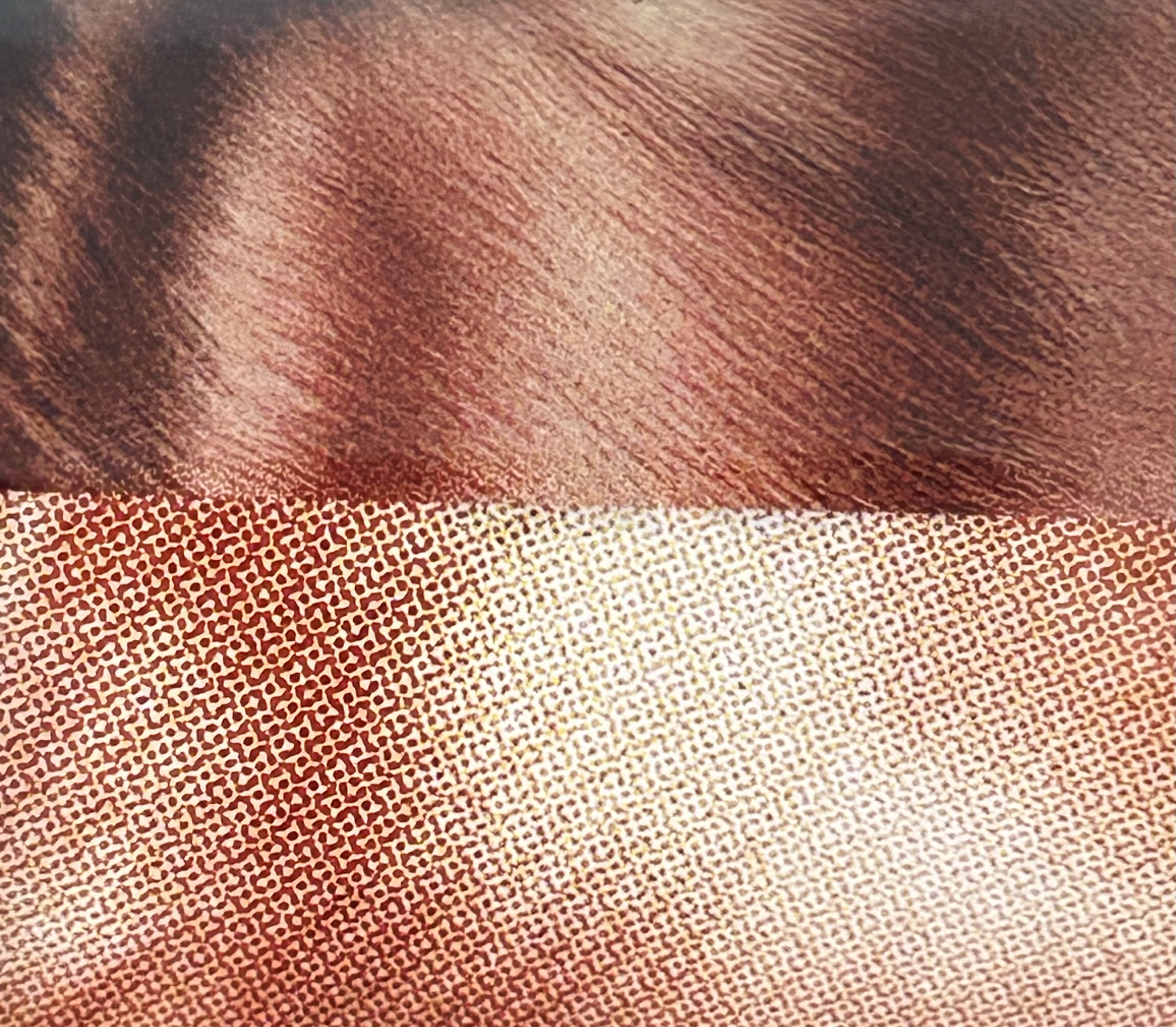
The evolution of screening in flexography addresses a very specific industry need: to improve the reproduction of printed designs while maintaining process stability and production capacity. As flexible packaging faces increasingly demanding requirements for presentation, consistency and visual clarity, screening is no longer simply a graphic element; it has become an integral part of the technical printing strategy.
Traditionally, screening has been the means of converting a continuous-tone image into a printable structure. In modern flexography, however, basic reproduction of that information is no longer enough. The challenge today is to achieve greater control over ink transfer, preserve subtle visual nuances, prevent the loss of detail in complex areas and maintain a consistent appearance across jobs and print runs. This is where the new generation of screening technologies comes into play.
Its main contribution is a more sophisticated approach to image reproduction, combined with better performance on press. The aim is no longer merely to simplify reproduction, but to adapt the behaviour of the screen to actual printing requirements. This means improving transitions between highlights, midtones and shadows, protecting delicate design elements and reducing the unwanted visual effects that can occur when screening is poorly matched to the process.
From a technical standpoint, this evolution aims to deliver cleaner, more controlled reproduction. The printed image gains perceived sharpness, smoother gradients and greater visual continuity. This is particularly relevant in jobs where perceived quality depends on the faithful reproduction of photographs, illustrations, complex backgrounds or fine details. When screening is properly optimised, the eye perceives a more natural, more uniform print that is closer to the original design.
Yet the value of this evolution extends beyond aesthetics. It also offers operational advantages. A well-designed screening approach can help stabilise print performance, improve repeatability and make a job less sensitive to minor process variations. This matters because, in flexography, final quality depends not on a single factor but on the interaction between prepress, the printing plate, the anilox roll, ink, substrate, pressure, speed, drying and press control. Better screening gives the entire system a wider operating window.
In this respect, the latest advances in screening should not be viewed as a standalone solution or a substitute for technical expertise on the production floor. On the contrary, they demand greater process discipline. Advanced screening can deliver better results, but only when the other variables are properly controlled. If printing is affected by instability, poor ink transfer, incorrect pressure settings, inadequate plate mounting or inconsistent operating conditions, the benefits of the screening are significantly reduced. Technology helps, but it cannot, on its own, compensate for a poorly controlled process.
Another important aspect is the relationship between screening and brand perception. In flexible packaging, the pack is often the first point of contact between the product and the consumer. Visual quality is therefore a central part of its commercial value. More accurate image reproduction, with better tonal continuity and fewer visual irregularities, helps strengthen the product’s shelf presence and convey a more refined, modern and reliable brand image.
From a production perspective, this evolution also influences working practices on the pressroom floor. When the printed design is better suited to the process, press setup becomes easier, certain adjustments are reduced and there is less uncertainty during the run. This does not eliminate the need for monitoring; it gives the team a stronger foundation for controlling the result. In operational terms, this can mean less variation, greater consistency across repeat runs and a better ability to meet customer requirements.
It is worth emphasising that the improvement goes beyond producing a more attractive image. The technical value lies in how the screen interacts with the rest of the printing system. An effective screening solution should help retain detail in critical areas, preserve midtone definition and prevent breaks in visual continuity where flexography may reveal its limitations. Discussion of this evolution is therefore about control, consistency and actual press performance as much as appearance.
In today’s industry, this technology represents a more mature approach to flexography. The objective is to print with sound technical judgement, stability and a clear commitment to reproducing the design more faithfully. This requires aligning creative intent with industrial production so that the visual result is both achievable on press and repeatable over time. That balance is precisely what makes the latest advances in screening valuable to manufacturers, converters and brands.
In summary, the latest evolution of screening in flexography delivers a real technical improvement in print reproduction, with benefits for visual quality, process stability and packaging perception. Its purpose is to make work on the production floor more efficient and easier to control. In an industry where every detail matters, these advances enable closer reproduction of the original design, a stronger response to market demands and more consistent results in production.